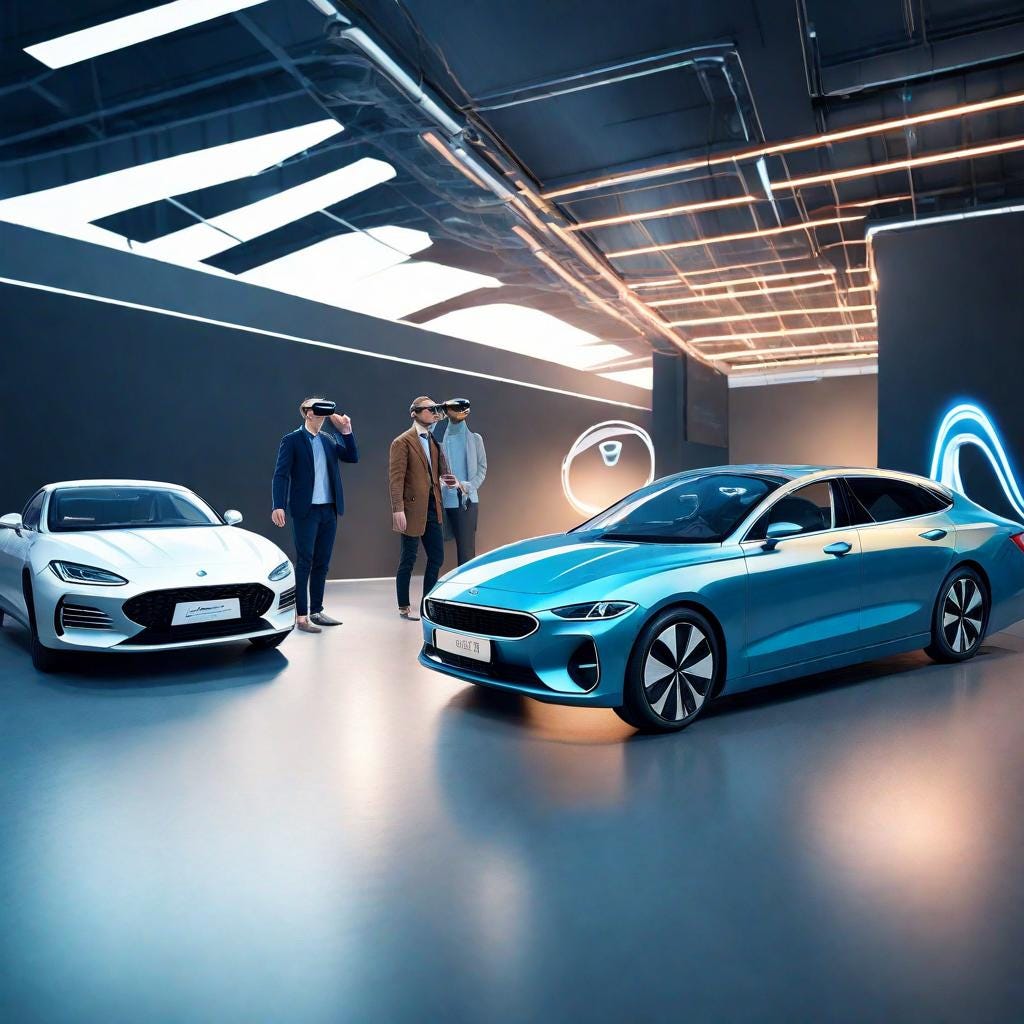
The automotive industry is undergoing a digital transformation like never before. As consumer habits shift and technology evolves, dealerships are finding new ways to reach potential buyers—and one of the most impactful tools to emerge is the virtual showroom.
Once considered a novelty, virtual showrooms are now a necessity. They offer a bridge between traditional in-person experiences and the convenience of online browsing. With modern buyers increasingly expecting a seamless digital experience, dealerships that embrace virtual showroom technology are gaining a competitive edge.
What is a Virtual Showroom?
A virtual showroom is a digital replica of a physical dealership. It allows customers to explore vehicle inventories, view 360-degree images, interact with features, compare models, and sometimes even customize vehicles—all from the comfort of their home. Some platforms also include live chat, video consultations, and augmented reality (AR) to simulate an in-store experience.
Why Virtual Showrooms Matter
1. Meeting Customer Expectations
Today’s buyers start their journey online. They research, compare, and often make decisions before ever setting foot in a dealership. A virtual showroom caters directly to these behaviors, offering instant access to the information and visuals they need to move forward in the buying process.
2. Enhancing the Shopping Experience
Unlike static listings, virtual showrooms offer an immersive and interactive experience. Buyers can walk through digital versions of the showroom floor, explore vehicle interiors, and visualize upgrades—all of which helps increase engagement and emotional investment in the product.
3. Expanding Reach Beyond Local Markets
Virtual showrooms aren’t bound by geography. A customer on the other side of the state—or even the country—can tour your inventory without ever stepping into your physical lot. This expands your potential customer base significantly and can increase out-of-market sales.
4. Boosting Conversion Rates
The more information and confidence a buyer has, the more likely they are to convert. Virtual showrooms empower customers to make informed decisions faster. And when combined with online financing tools and remote delivery options, the entire process can be completed virtually, often resulting in quicker sales cycles.
Benefits for Dealerships
- Lower Operating Costs: Less foot traffic can reduce the strain on physical resources.
- Data Collection & Analytics: Track user behavior in real-time to refine marketing and sales strategies.
- Improved Lead Qualification: Buyers who engage with virtual showrooms often have higher intent, making them more qualified leads.
- 24/7 Availability: Your showroom never sleeps. Prospects can explore your inventory any time of day.
Training Sales Teams for the Digital Age
Salespeople must adapt to this digital shift. Virtual showrooms require a different set of skills—sales reps must be comfortable with video calls, live chat, and screen sharing. They also need to guide customers through a digital journey just as effectively as they would in person. Proper training in digital tools and communication techniques is essential to maximize the value of virtual showrooms.
The Future of Automotive Retail
Virtual showrooms are not just a trend—they are part of the future of car sales. As automotive e-commerce grows and customer expectations continue to evolve, dealerships must embrace technology that makes buying cars easier, more transparent, and more convenient.
Investing in a virtual showroom isn’t just about keeping up—it’s about staying ahead.