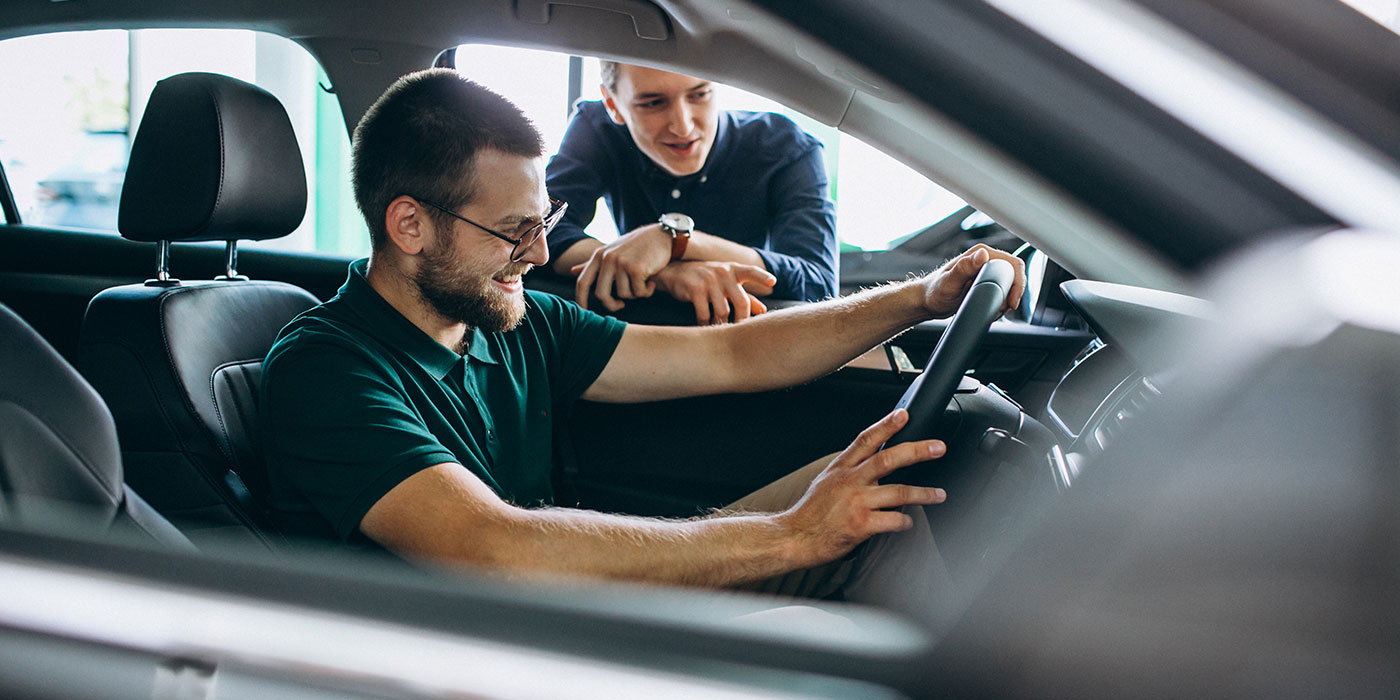
In today’s automotive market, where buyers are more informed and selective than ever, the test drive remains one of the most critical moments in the car-buying journey. It’s where a salesperson stops being just a representative — and becomes a trusted advisor.
A test drive is more than a few minutes behind the wheel. It’s an emotional journey that allows customers to visualize their future — how it feels to own, drive, and live with that vehicle every day. The goal is not just to demonstrate the product but to create an unforgettable experience that moves the customer from interest to commitment.
Let’s dive deep into how sales professionals and dealerships can deliver a memorable test drive experience that consistently sells cars and strengthens customer relationships.
1. The Test Drive Mindset — Why It’s More Than a Ride
Most salespeople see a test drive as a formality, but top performers know it’s the moment of truth. Customers may have done all their research online, compared prices, and watched reviews — but what they feel during the test drive determines their decision.
Here’s why the test drive matters:
- It transforms logic into emotion.
- It builds trust and credibility in both the product and the salesperson.
- It allows customers to justify their decision with confidence.
A well-orchestrated test drive bridges the gap between curiosity and ownership. It’s where your dealership’s customer experience truly comes alive.
2. Preparation Before Presentation — The Key to Personalization
Preparation defines professionalism. A successful test drive starts before the customer ever starts the engine.
a. Know Your Customer
Ask open-ended questions to understand their lifestyle, driving habits, and expectations. Are they looking for safety for their family, fuel efficiency for long commutes, or performance for weekend drives?
b. Select the Right Vehicle
Don’t just hand them the keys to what’s available — let them test-drive a vehicle that fits their personality and purpose. For example:
- A compact SUV for a family driver
- A sedan for a business professional
- A sport model for someone seeking thrill
c. Prepare the Vehicle
Clean the car thoroughly inside and out. Check that all features are working, the fuel level is sufficient, and the infotainment system is ready. A spotless, well-presented car signals respect for both the customer and the product.
3. The Walkaround — Build Anticipation Before the Drive
The walkaround is your chance to create excitement and demonstrate expertise without overwhelming the customer with information.
Tips for an Engaging Walkaround:
- Begin with a warm, confident introduction to the car.
- Highlight key features that align with their priorities (e.g., “Since you drive long distances, you’ll appreciate the adaptive cruise control and lumbar support”).
- Use touch and interaction — open doors, pop the trunk, let them adjust the seat or try the infotainment system.
The more senses you engage — sight, touch, sound — the more memorable the experience becomes.
4. During the Drive — Focus on Feel, Not Features
Once the customer is behind the wheel, it’s their moment, not yours. The test drive is where you step back and let the car and the customer build a connection.
a. Create a Comfortable Environment
- Choose a route that allows the driver to experience various conditions — city turns, highways, and stops.
- Avoid overcrowding the drive with too many people. Ideally, it should be the customer, the salesperson, and possibly a family member.
b. Encourage Ownership Language
Use subtle phrasing that helps customers imagine the car as theirs. Instead of saying,
“This vehicle has dual climate control,”
say,
“You’ll love how you and your partner can set your own temperature during long drives.”
c. Point Out Features Naturally
Don’t rattle off specs like a brochure. Instead, tie features to feelings and benefits.
For example:
- “Notice how quiet it is inside? That’s the soundproofing at work.”
- “Feel how stable it is during this turn? That’s the traction control in action.”
Let the customer experience the value before you explain it.
5. Engage the Senses — Emotion Drives Decisions
A memorable test drive is not about showing features — it’s about helping the customer feel something positive.
Encourage sensory engagement:
- Sight: Highlight the sleek design, lighting, and visibility.
- Touch: Let them adjust seats, handle the steering, and feel the textures.
- Sound: Play their favorite music on the sound system.
- Emotion: Create moments of connection — a comfortable seat, smooth acceleration, a quiet cabin — that make them think, “This feels right.”
People may forget specifications, but they remember how a car made them feel. That emotion is what leads to a sale.
6. After the Drive — Transition From Emotion to Decision
Once the drive ends, don’t rush straight into numbers or paperwork. Give the customer a moment to process the experience.
a. Reflect and Reinforce
Ask,
- “How did that feel compared to what you expected?”
- “What stood out most to you about the drive?”
Reinforce the positives they mention. For instance, if they loved the comfort, highlight the car’s ergonomic design again.
b. Handle Hesitations Calmly
If they express doubts, address them with empathy, not persuasion.
Example:
“I completely understand that. Let’s take another look at the options to make sure it fits perfectly for you.”
c. Invite the Next Step
Transition naturally:
“Would you like to explore financing or see what the trade-in might look like for your current vehicle?”
Your tone should remain helpful, not pushy. The goal is to guide, not pressure.
7. Post-Test Follow-Up — The Forgotten Sales Tool
Even when a customer doesn’t purchase immediately, the follow-up can often seal the deal.
a. Personalize Your Message
Send a thank-you message within 24 hours. Reference specific details from the test drive:
“You mentioned how much you enjoyed the handling on the highway — I wanted to share a few more details on that model.”
b. Reignite the Emotion
Remind them of the feeling they had behind the wheel:
“It’s the kind of drive that makes every morning commute enjoyable.”
c. Add a Gentle Nudge
If applicable, mention any incentives or upcoming promotions, without making it sound transactional.
8. Train for Consistency — Every Test Drive Counts
At top-performing dealerships, training is the backbone of sales consistency. Every salesperson should be trained not just to sell cars, but to create experiences.
Core Training Areas Should Include:
- Customer psychology: Understanding emotional triggers in the buying process
- Communication skills: Using the right tone, timing, and body language
- Product mastery: Knowing every detail and update about the vehicles
- Scenario practice: Role-playing common test drive situations
A consistent, well-trained sales team ensures that every customer — regardless of who they interact with — receives an equally exceptional experience.
9. The Manager’s Role — Leading by Example
Sales managers play a crucial part in setting the tone for how test drives are conducted. Encourage team members to:
- Watch each other’s test drives for constructive feedback
- Share success stories and lessons during morning huddles
- Celebrate wins — especially when a great test drive led to a sale
Leaders who emphasize experience over pressure create teams that sell through trust, not tactics.